Cedacri Banking App
Designing mobile banking experiences through user research and iterative testing.
Mobile App · Banking · User Research · Interaction Design
Context
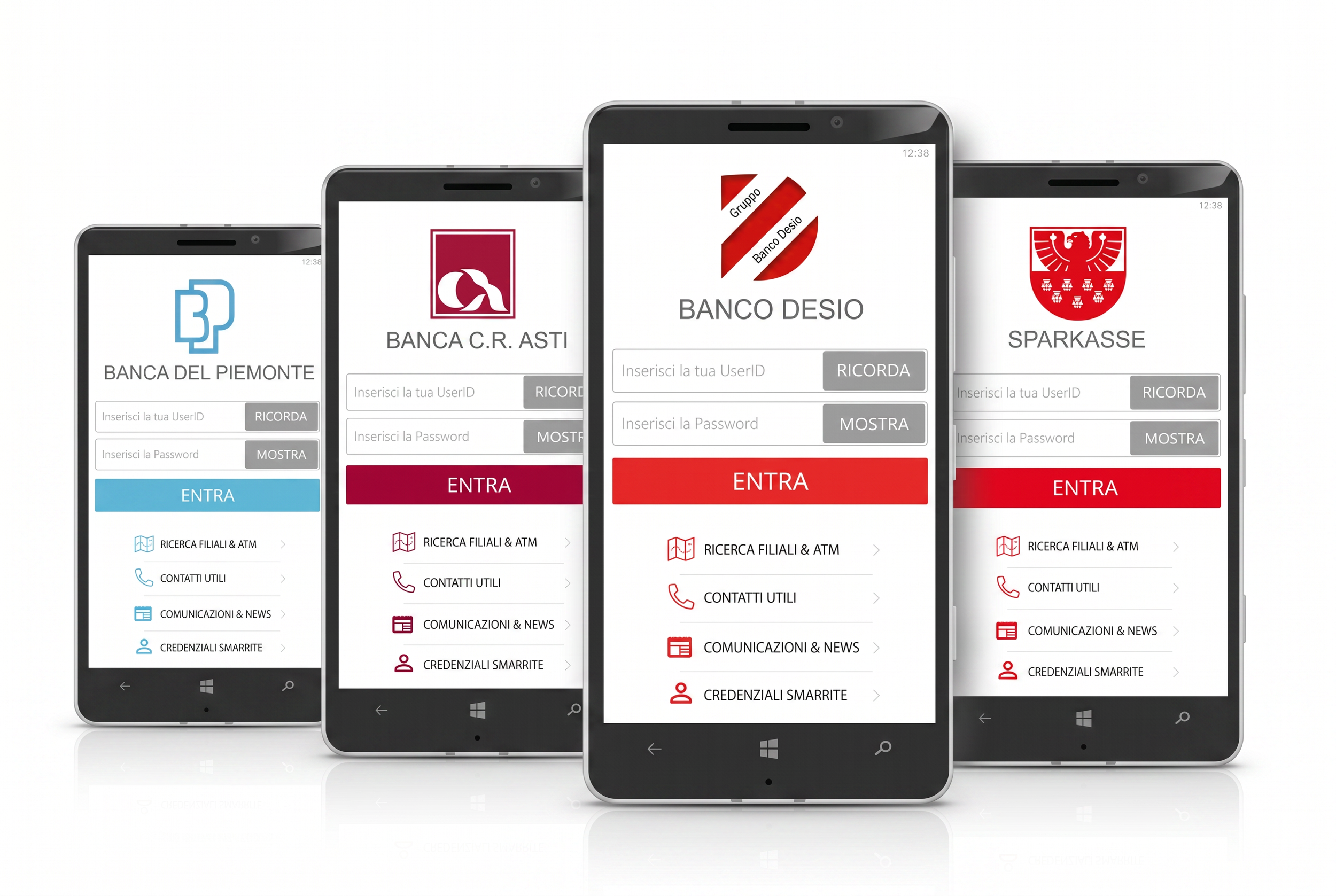
The project focused on the conceptual design of a mobile and internet banking application developed for multiple credit institutions.
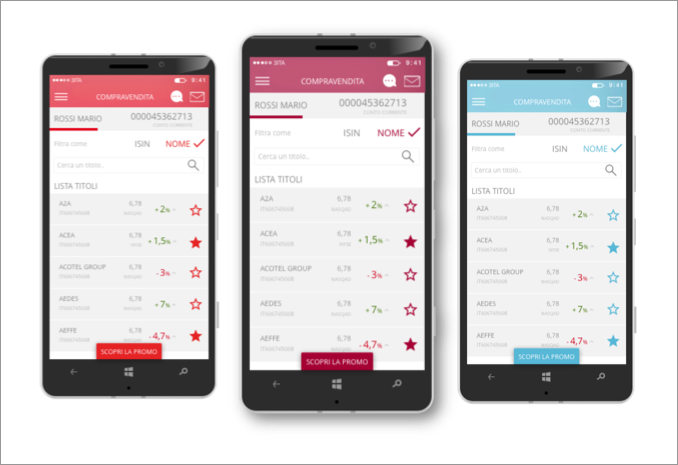
The challenge was designing a single experience flexible enough to adapt to different banks, while remaining clear, secure, and usable for everyday customers.
The real problem
Banking applications combine high-frequency actions with critical, high-risk operations.
Users need to:
access information quickly
perform transactions safely
trust the system under stress
At the same time, financial products, regulations, and communication needs vary across institutions.
The challenge was balancing simplicity, security, and flexibility in a mobile-first context.
Research & User needs
The design process started with qualitative research and direct collaboration with end users.
Interviews, feedback sessions, and usability testing helped identify:
frequent pain points in everyday banking tasks
moments of uncertainty and hesitation
critical flows where errors had high consequences
Flow design and edge cases
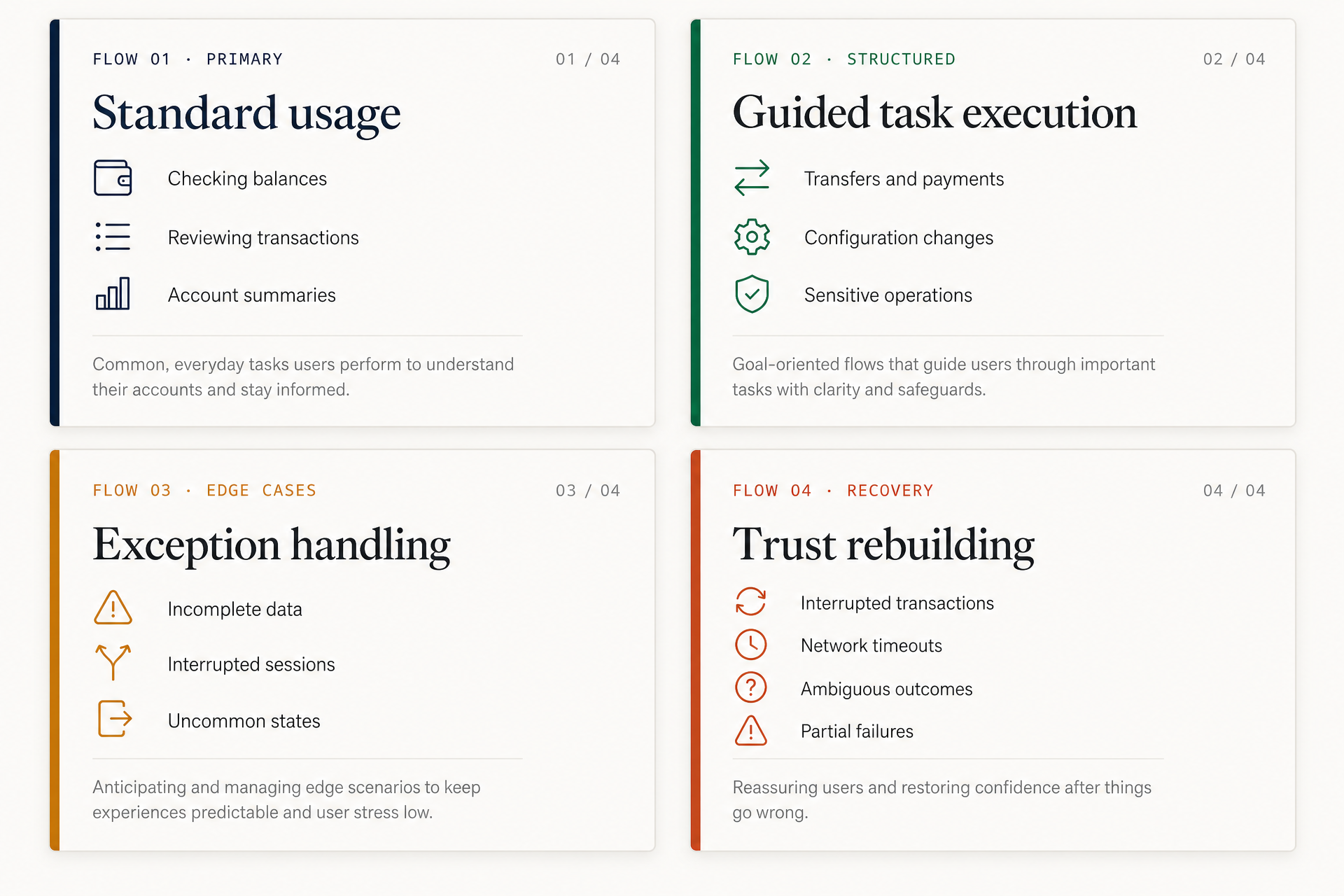
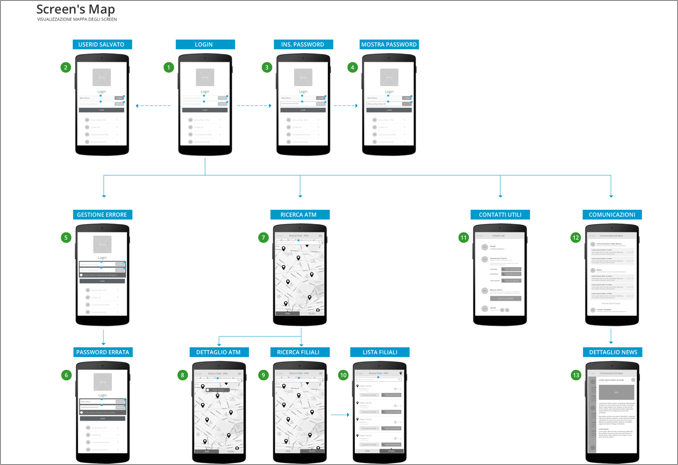
Core banking flows were designed to support both common and edge scenarios, ensuring clarity for standard operations while safely handling less frequent but critical cases.
Interaction and UI decisions
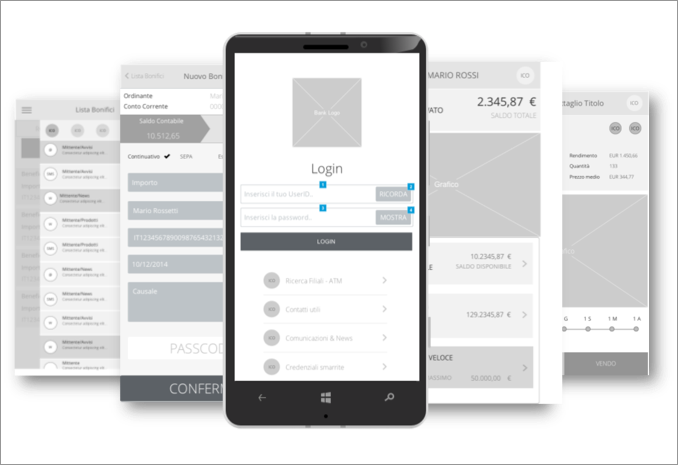
Validation and interaction
Designs were iteratively refined through usability testing with real users, allowing early identification of friction points and misunderstandings.
Feedback informed adjustments to flows, labels, and interaction patterns, particularly in high-risk operations.
Outocome and takeaways
The project demonstrated the importance of grounding mobile banking design in real user behavior rather than assumptions.
It reinforced the value of:
clear flows over visual complexity
explicit feedback in critical actions
designing for stress, not ideal conditions